


.png)
How Do Self-Watering Planters Work? A Simple Explanation
Self-watering planters work by holding water in a built-in reservoir and making that water available from below in Posie Pots. Instead of repeatedly pouring water over the soil, you refill the planter and let the plant draw from a steadier source as conditions change.
That simple shift matters because most plant parents are not short on watering advice. They are short on certainty.
Key Takeaways
A self-watering planter separates stored water from the everyday act of top watering.The plant, potting mix, light, and root health still shape how water moves and gets used.Posie Pot uses bottom-fill irrigation rather than a cotton wick.The real benefit is fewer watering decisions, not another measurement to monitor.

What Is Happening Below the Soil?
In a traditional planter, you add water from the top. The soil becomes wet, drains, and gradually dries. Then you decide when to repeat the cycle.
A self-watering planter changes where the supply sits. Water is stored below the growing area and becomes available to the root zone from underneath. Different brands accomplish that connection differently. Posie Pot uses a patented bottom-fill design without a cotton wick, and we do not need you to learn the internal engineering to use it.
Think of it less like an automatic coffee machine and more like moving water closer to where roots can use it. The planter is not diagnosing the plant. It is creating a more stable starting point.
Roots still need oxygen as well as water. Penn State Extension explains that soil pore spaces manage both air and water. That is why the right potting mix, plant choice, and planter size still matter.
Why Traditional Watering Feels So Uncertain
Say you are going to Paris for ten days. A friend agrees to visit every Saturday. They know when to water, but not how much.
One week, they give every plant the same generous pour. You come home to tiny flies circling the kitchen because several pots stayed too wet. Fungus gnats thrive in moist growing media.
Or the opposite happens. Your friend gives each pot a polite splash and leaves the plants in the same hot window. One has crisp leaves when you return, yet the lower soil still feels wet. The visible symptom did not tell the whole story.
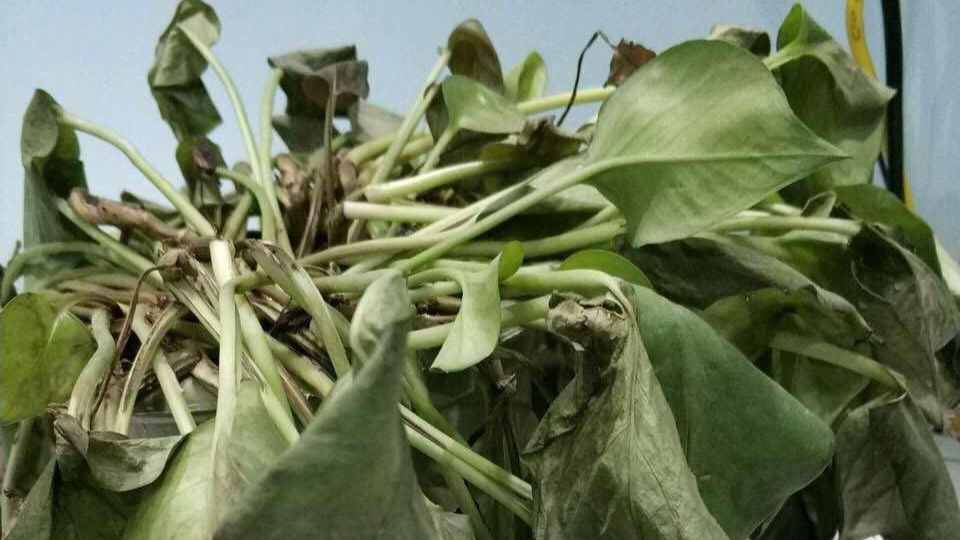
This is why finger tests, pot lifting, and moisture meters are so common. They can provide clues for traditional pots, but they still leave the decision with you. Even wilted or yellow leaves can indicate too much or too little water, as the Missouri Botanical Garden notes.
A good self-watering planter does not make you better at worrying. It reduces how often you have to make that judgment in the first place.
How Posie Pot's Bottom-Fill Routine Works
Posie Pot is filled through its water-filling tube rather than by repeatedly soaking the top of the soil. That creates a stable water source from below without a cotton wick.
The routine is intentionally short:
Repot a compatible plant with a suitable indoor potting mix.
Keep soil out of the water-filling tube during repotting.
Add water through the tube.
Let the plant settle into its new moisture pattern.
Refill based on the plant, season, light, and planter size rather than a rigid calendar.
If the tube fills slowly, soil probably fell into it while you were repotting. Roll a paper towel into a narrow strip or use a skewer to clear the tube gently. Next time, place the stopper on the tube before adding soil. Our step-by-step guide to using a Posie Pot self-watering planter covers common setup issues.
What a Self-Watering Planter Does Not Do
It does not make every plant identical. A fern, pothos, basil plant, and cactus have different moisture preferences. Light, heat, root health, and soil texture also affect water use.
It also does not make root rot impossible. Oversized containers and excess wet soil can cause root problems, which is why the University of Minnesota recommends moving up only one pot size when repotting. Read our planter sizing guide before choosing by appearance alone.
The strongest matches are common indoor plants that prefer more even moisture. You can review which plants work well in self-watering pots before making the switch.
The Point Is Less Checking
How do self-watering planters work in real life? The best answer is not hidden inside the pot. It shows up on an ordinary Tuesday when you walk past your plant, notice a new leaf, and do not stop to poke the soil.
You should not need a collection of tools to feel qualified to own a houseplant. A well-designed planter can take the most repetitive decision off your list, leaving light, placement, and the pleasure of living with plants.
If you want watering to become the least dramatic part of plant care, see Posie Pot's bottom-fill planters.
Frequently Asked Questions
Do self-watering planters water plants automatically?
They provide a stored water source, but you still refill the reservoir and match the setup to the plant.
How often should I refill one?
There is no honest universal number. Plant type, root size, season, indoor temperature, and light all change water use.
Does Posie Pot use a cotton wick?
No. Posie Pot uses a upgraded bottom-fill irrigation design without a cotton wick.
Do I need a moisture meter too?
Usually not for normal use. A meter may help diagnose a problem, but the planter should reduce routine checking rather than add another task.


