.png)
Why Your Pothos Leaves Are Turning Yellow (It's Almost Always This One Mistake)

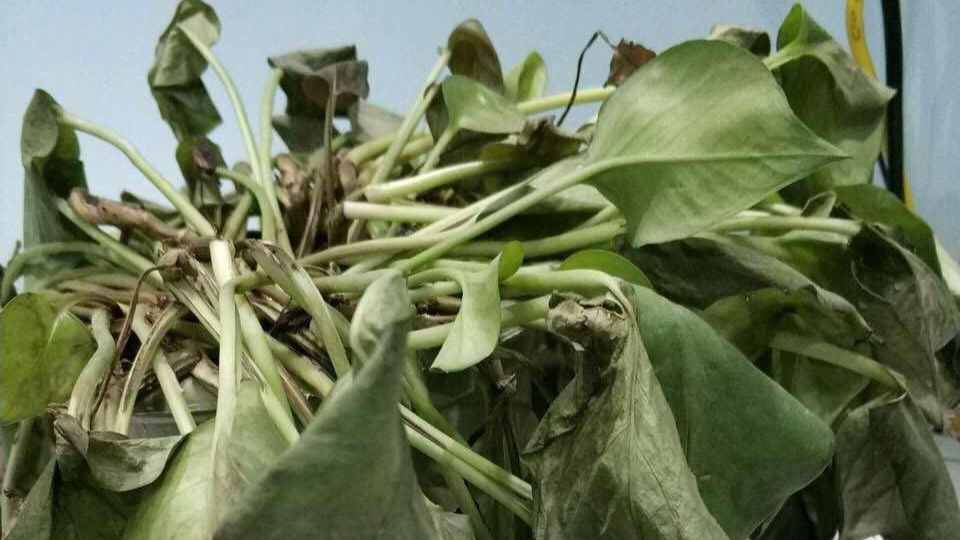
If your pothos leaves are turning yellow, overwatering is the most likely cause. Not underwatering, not low light, not the wrong fertilizer. Overwatering. And the fix starts with understanding why the way most people water their plants is quietly killing them.
Here is what no one told you: plants do not drink water on a schedule. They drink when they need it. When you water on a fixed routine regardless of what the soil is actually doing, you are making a guess. Sometimes you guess right. Often you do not.
That guessing is why pothos leaves go yellow. And it is fixable.
---
> Key Takeaways
---
What Yellow Pothos Leaves Are Actually Telling You
Pothos is one of the most forgiving houseplants you can own. It tolerates low light, irregular attention, and a fair amount of neglect. So when a pothos starts dropping yellow leaves, your plant is not just being dramatic. It is telling you something has been wrong for a while.
Yellow leaves on a pothos mean the roots are struggling. They cannot absorb nutrients properly. That could happen because the soil has been wet too long and the roots are starting to rot. It could also mean the plant is completely dry and starving for water. Both look similar from the outside, which is why so many plant parents misread the signal and make things worse.
The difference matters because the fixes are opposite. If you water an already-overwatered pothos, you accelerate root damage. If you let an underwatered plant dry out longer, you stress it further.
Before you do anything else, check the soil.
---
How to Tell If Your Pothos Is Overwatered or Underwatered
Stick your finger two inches into the soil. That single check tells you more than any watering schedule ever will.
Signs your pothos is overwatered:
- Soil feels wet or soggy even days after your last watering
- Leaves are yellowing from the bottom of the plant upward
- The stems near the soil line feel soft or mushy
- You notice a faint sour or swampy smell from the pot
- Fungus gnats are hovering around the soil (they breed in wet, organic matter)
Signs your pothos is underwatered:
- Soil pulls away from the edges of the pot
- Leaves feel limp or slightly crispy, not soft
- The pot feels unusually light when you lift it
- Yellowing happens at leaf tips, not across the whole leaf
If the soil is wet and the leaves are soft and yellow, overwatering is your answer. That is the case for most plant parents who end up Googling this question.
---
Why Overwatering Is So Easy to Do (And So Hard to Spot)
Here is the part that catches most people off guard: overwatering is not about how much water you pour in one sitting. It is about how often the soil stays wet.
A pothos in a six-inch pot sitting in a north-facing window in winter needs far less water than the same plant in a south-facing window in July. The soil dries at different rates. The plant's metabolism slows in low light and speeds up when it is actively growing.
When you water on a fixed schedule, say every Sunday, you are ignoring all of that. Some weeks you are right on time. Other weeks you are watering soil that is still wet from four days ago.
Here is what that does to your plant.
Think of pothos roots the way you think of lungs. Roots need oxygen and moisture to function. When soil stays waterlogged, the air pockets between soil particles fill with water. Roots stop getting oxygen. They start to break down.
That process is called root rot, and it is happening underground long before you see a single yellow leaf. By the time the yellowing starts, the roots may already be significantly damaged.
According to the University of Maryland Extension, overwatering is the leading cause of houseplant death, and the damage is often irreversible by the time visual symptoms appear.
---
The Root Rot Connection Most Guides Skip Over
Root rot is not a disease your plant caught from somewhere. It is the direct result of roots sitting in saturated soil for too long.
The symptoms people usually associate with underwatering, drooping, yellowing, wilting, are actually the same symptoms root rot causes. When roots are damaged, they cannot pull water up through the plant even if the soil is soaking wet. Your pothos droops. You water it more. The damage accelerates.
Take a look at what typically happens:
Renee had kept her pothos alive for two years. It lived on a shelf in her kitchen, and she watered it every weekend as part of her Sunday routine. One spring, she noticed the leaves looked washed out and a few turned yellow. She assumed it needed more water. She started watering twice a week. Within a month, the plant collapsed.
When she finally unpotted it, the roots were brown and mushy from the soil line down. The plant had been overwatered for months. The yellowing was not a sign it needed more water. It was a sign it had been drowning.
This is the most common pothos story there is. It does not mean Renee was a bad plant parent. It means watering by schedule, without checking soil moisture, is not actually plant care. It is guessing.
---
How to Fix an Overwatered Pothos Right Now
If you have caught this early, your pothos can recover. Here is what to do in order.
1. Stop watering immediately.
Let the soil dry out completely. Do not water again until the top two inches of soil are fully dry. For most indoor conditions, that takes one to two weeks.
2. Improve drainage.
If your pot does not have drainage holes, that is your root problem as much as your watering frequency. Move the plant to a pot with holes and add a layer of perlite to the soil mix to help excess moisture escape faster.
3. Check the roots.
If the soil has been wet for more than two weeks and the plant is still drooping, unpot it and inspect the roots. Healthy roots are white or light tan and feel firm. Rotted roots are brown or black and feel mushy.
If you find rot, trim the damaged roots with clean scissors and repot into fresh, dry soil. Do not put the plant back into the old potting mix as it may harbor the fungal organisms that accelerated the decay.
4. Move the plant to brighter light.
Brighter indirect light speeds up the drying process and gives the recovering roots a better chance to rebuild.
5. Wait.
Recovery takes time. New growth is the signal that the roots have stabilized.
---
How to Prevent Yellow Leaves From Coming Back
Fixing an overwatered pothos is a short-term fix. The longer-term question is: how do you stop this from happening again?
The honest answer is that consistent soil moisture is hard to manage manually. Life gets busy. You forget. You water twice one week and miss the next two. The plant cycles through wet and dry in a way that stresses the roots even if you never cross into full root rot territory.
There are a few approaches that actually work.
Check soil moisture before every watering.
This is the minimum. Before you pick up the watering can, put your finger two inches into the soil. If it is damp, come back in three days. If it is dry, water thoroughly.
Use a pot with proper drainage.
A drainage hole is not optional for pothos. Standing water at the bottom of a pot with no exit is the fastest way to rot roots.
Consider how the pot itself affects moisture.
Different pot materials affect how quickly soil dries. Terracotta dries faster than plastic or ceramic. This matters most in winter when the plant is growing slowly and needs much less water than in summer.
Wondering whether self-watering is actually better than traditional options? Here is an honest look.
---
Why Self-Watering Planters Solve This Problem at the Root Level
The reason overwatering is so common is that traditional pots put the entire watering decision on you. You decide when, how much, and how often. That means the plant's moisture level is only as consistent as your attention.
A self-watering planter flips that dynamic. The plant pulls water from a reservoir at the base only when the soil at the root level starts to dry. Roots take what they need, when they need it. The soil does not stay waterlogged because the roots are actively managing the moisture themselves.
Posie Pot's self-watering system works on this principle. The reservoir sits below the root zone. Soil wicks moisture upward as it dries. The roots drink from that moisture without ever sitting in standing water. You refill the reservoir roughly once a month, depending on the plant and the season, and the rest is managed by gravity and the plant itself.
This is not just a convenience feature. It is what prevents the overwatering cycle that yellowed your pothos in the first place.
Pothos, peace lilies, ZZ plants, and most tropical houseplants are excellent candidates for this type of system. They prefer consistent moisture and struggle in the wet-dry extremes that manual watering creates.
If you have been struggling to keep a pothos alive despite genuinely trying, the problem is probably not you. It is the system you are using to water it.
See if a Posie Pot is the right fit for your plants: Shop the Collection
---
Frequently Asked Questions
Why are only the bottom leaves on my pothos turning yellow?
Bottom leaves yellowing first is a classic overwatering pattern. When roots are damaged, the plant sacrifices older leaves at the base to redirect energy to new growth at the tips. If yellowing is spreading from the bottom up, check the soil immediately for signs of saturation.
Can a pothos recover from root rot?
Yes, if you catch it before more than half the root system is affected. Trim the damaged roots, repot into fresh dry soil, and reduce watering until you see new growth. Recovery can take three to six weeks. The plant will look rough during that period but should stabilize.
How often should I water my pothos?
There is no universal schedule because it depends on pot size, light, season, and humidity. The only reliable guide is soil moisture. Water when the top two inches of soil are dry. In most homes, that is every seven to fourteen days in summer and every two to three weeks in winter.
Can too much water cause yellowing even if the pot has drainage holes?
Yes. A drainage hole prevents standing water at the bottom, but if you water before the soil has dried out, the roots still sit in saturated soil between waterings. Drainage helps, but it does not replace the habit of checking moisture before you water.
Do self-watering planters cause root rot?
The opposite. A well-designed self-watering planter prevents root rot by ensuring roots never sit in standing water. The soil wicks moisture from the reservoir as it dries, which means the root zone stays consistently moist without becoming waterlogged. See our full breakdown here: Are self-watering planters worth it? Honest pros and cons.
What is the fastest way to fix a yellowing pothos?
Stop watering, check the soil and roots, trim any rot, repot if needed, and move the plant to bright indirect light. New growth within three to four weeks is a sign the plant is recovering.
---
The Bottom Line on Yellow Pothos Leaves
Yellow pothos leaves are almost always a watering problem. Specifically, they are a sign that the roots have been sitting in wet soil for too long, the oxygen supply to the roots has been cut off, and the plant is struggling to absorb nutrients.
The fix is straightforward: let the soil dry out, check the roots, repot if there is rot, and change how you approach watering going forward.
The longer-term answer is to remove yourself from the watering equation as much as possible. Check moisture before every watering. Use a pot with drainage. Or switch to a self-watering system that lets your plant manage its own moisture intake.
Your pothos does not need a green thumb. It needs consistent, appropriate moisture at the root level. Everything else follows from that.
Ready to stop guessing? Explore the Posie Pot self-watering planter collection and see which size fits your pothos.
---
Related reading on Posie Pot:
External sources: