


.png)
Why Your Plants Keep Dying After Two Weeks (And How to Finally Stop It)
- 3 days ago
- 10 min read
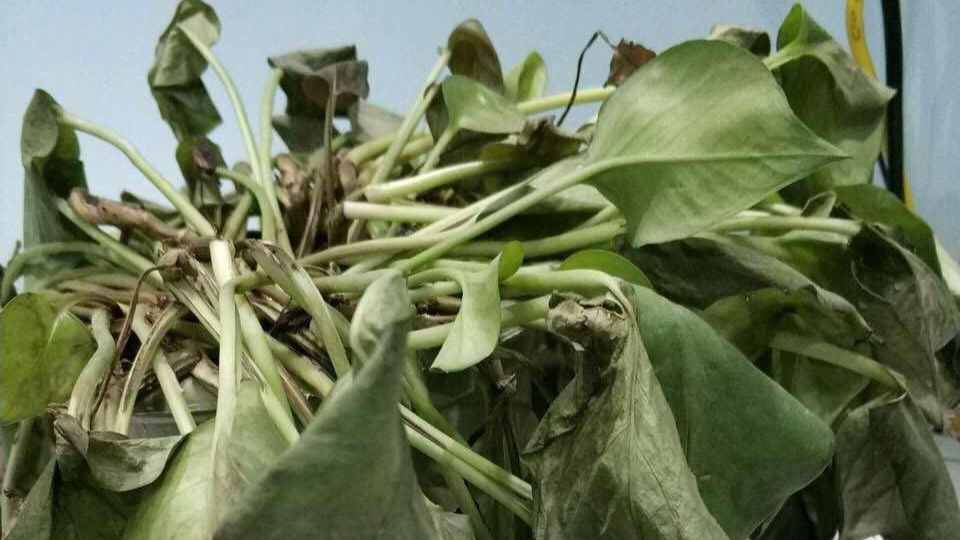
Most houseplants die from one avoidable mistake: overwatering in the wrong kind of pot. If your plants keep dying after two weeks of coming home, this is exactly what’s happening – and how to stop the cycle for good.
You bought a pothos. You watered it. Three days later it looked great. Then it started drooping, so you watered it again. Two weeks later, it was gone. Sound familiar? If you feel like you just can’t keep any plant alive no matter what you try, you’re not alone – and you’re not bad at plants. The problem is almost always the same thing, and it has nothing to do with your commitment or natural talent.
This article covers the real reasons plants keep dying after two weeks at home, which ones you’re probably making, and the one structural change that removes the guesswork entirely. If you’ve been searching for how to keep houseplants alive and every tip you’ve tried has ended the same way, the answer is simpler than the advice you’ve been given.
Key Takeaways
The Two-Week Death Window: Why Plants Keep Dying Right After You Bring Them Home
Plants are more vulnerable in the first two to four weeks than at almost any other point. This isn’t bad luck. It’s biology.
When you bring a plant home from a nursery or grocery store, it’s already stressed. Retailers keep plants in controlled environments – consistent misting, grow lights, and soil that stays evenly moist. If you’ve ever wondered “why does my plant look sick right after I buy it?” – this is why. The moment it arrives in your home, it’s adjusting to new light levels, different humidity, different airflow, and a completely different watering rhythm.
That adjustment period is called transplant shock. The plant spends energy adapting to its new environment instead of growing. During this window, it’s far less resilient to mistakes. And the most common mistake plant parents make is overwatering the plant to help it settle in.
Here’s what nobody tells you: that “help” is what kills it. Plants keep dying after two weeks not because of neglect but because of the anxiety that kicks in the moment they look slightly off.
Take Maya. She bought her first peace lily in March – specifically because the tag said it was beginner-friendly. She watered it every three days because the soil looked a little dry on the surface. By week two, the leaves were yellowing and the stem felt soft near the base. She increased the watering to help it recover. By week three, it was gone. The peace lily didn’t need more water. The roots had been sitting in wet soil for two weeks and rotted through.
The Number One Reason Plants Keep Dying: Overwatering
Why do my plants keep dying – even when I water them regularly? In the vast majority of cases, that’s actually the answer: too much water.
Indoor plants dying despite regular watering is the most common complaint in plant parent communities, and it seems backwards until you understand what happens at the root level. We associate plant death with neglect – dry soil, forgotten watering, coming home from a trip to a crispy mess. But research from university horticulture extension programs, including Clemson Cooperative Extension and the Missouri Botanical Garden, consistently identifies overwatering as the leading cause of houseplant death.
Here’s why it’s so destructive: when roots sit in waterlogged soil, they’re cut off from oxygen. Roots need air as much as they need water. Wet, dense soil seals off that oxygen supply, and root rot sets in within 24 to 48 hours. By the time you notice yellowing leaves or a drooping stem, the roots are already damaged. You water more to help. The damage accelerates. (See our full guide on how to prevent root rot entirely if your plant is already showing symptoms.)
Overwatered Plant Signs: What to Look For
The tricky part is that overwatered plants often look just like underwatered plants. Both show drooping, yellowing leaves. The difference is in the soil.
Check these signs – if you’ve bought a plant and it died within a week, one of these is almost certainly what happened:
Soil always stays wet or damp more than three to four days after watering
The base of the pot has a musty or sour smell (early root rot starting)
Small flies hovering around the soil surface (fungus gnats thrive in wet soil)
The stem feels soft or mushy near the base of the plant
Leaves yellow from the bottom up, even though you’re watering consistently
The rule: water when the top one to two inches of soil are dry – not on a fixed calendar. A plant in winter dormancy might need water once every two to three weeks. The same plant in summer might need it every five to seven days. Soil moisture is the signal, not the date.
Overwatered | Underwatered | |
Soil | Wet, stays damp for days | Dry, pulls away from pot edges |
Leaves | Yellow, soft, mushy | Yellow, crispy, curled |
Stem | Soft or mushy at base | Firm but wilted |
Pot weight | Heavy | Noticeably light |
Smell | Musty or sour | No odor |
Gnats | Often present | Absent |
5 More Reasons Your Plants Keep Dying in the First Month
Overwatering is the main culprit. But if you’re still asking “why do my plants die so fast?” even after cutting back on water, one of these five factors is the piece you’re missing. Here’s what else to check before you bring home your next plant.
1. Wrong Pot (No Drainage Means No Chance)
A beautiful ceramic pot with no drainage hole is a slow death sentence for most plants. Water collects at the bottom with nowhere to go. Even if you water carefully, the soil stays saturated from below, and roots rot from the bottom up – often before you notice anything is wrong above the soil.
Always use a pot with at least one drainage hole. If you love the look of a decorative pot, use it as a cover and keep the plant inside a plain nursery pot with proper drainage.
2. Wrong Light Conditions
“Low light” on a plant tag doesn’t mean no light. It means indirect light – not a dark bathroom with a small frosted window. When plants don’t receive enough light, they can’t photosynthesize efficiently, which means they can’t process water effectively. The result is soil that stays wet longer, which compounds the overwatering problem.
Before buying, check the plant’s actual light requirement against your space. If the room is genuinely dim, stick with snake plants, ZZ plants, or pothos – plants that have genuinely adapted to low-light conditions over thousands of years, not just marketed as tolerant.
3. Repotting Too Soon After Purchase
One of the most common mistakes: bringing a plant home and immediately moving it into a nicer pot. The plant is already dealing with transplant shock from the move. Adding a pot change on top doubles the stress.
Wait at least two to four weeks before repotting any new plant. Let it adjust to your home first. Once you see new growth – a sign the plant is stable – it can handle a pot upgrade. If you’re dealing with a root-bound plant that’s already outgrown its container, the ZZ plant repotting guide covers the signals to look for and how to repot safely without adding more stress.
4. Wrong Soil Mix
Most houseplants need well-draining indoor potting mix, not dense garden soil. Garden soil compacts inside containers, holds too much moisture, and restricts the oxygen flow that roots need. Over time it becomes almost cement-like, and roots suffocate.
Use a quality indoor potting mix. For succulents and cacti, mix in perlite at roughly a 50/50 ratio to improve drainage. For moisture-loving tropicals like pothos, peace lily, or ferns, standard indoor potting mix works without modification.
5. Low Humidity Indoors
Central heating and air conditioning strip humidity from indoor air. Most popular houseplants – the ones lining the shelves of every grocery store and garden center – evolved in humid tropical environments. When indoor humidity drops below 30%, plants lose moisture through their leaves faster than they can absorb it through their roots.
Signs of low humidity: brown crispy leaf tips, leaves curling inward, slow growth despite proper watering. Quick fixes: group plants together so they share humidity, place a shallow tray of water and pebbles beneath the pot, or use a small humidifier near your collection in winter. The University of Florida IFAS Extension recommends keeping indoor humidity between 40-60% for most tropical houseplants.
The Plants Most Likely to Die – and Why Your Plants Keep Dying Despite Their Reputation
The irony is that the plants most commonly killed by beginners are some of the most resilient in existence. They’re dying because of how they’re cared for, not because they’re fragile.
Pothos is marketed as nearly indestructible – and in low-light, infrequent-watering conditions, that’s accurate. But pothos evolved on tropical forest floors where soil drains quickly. It handles drought better than it handles consistently wet roots. If a pothos is dying, overwatering is the answer nine times out of ten.
Snake plant tolerates neglect better than almost any other common houseplant. What it won’t tolerate is consistent moisture. Snake plants are succulents. They store water in their leaves and need to dry out completely between waterings. Water on a regular schedule and they rot within weeks.
ZZ plant has underground rhizomes that store water like a battery. This plant can go three to four weeks without watering and be completely fine. Water it every week, and those rhizomes stay permanently saturated. Root rot follows.
Peace lily is the exception in this group. It genuinely needs consistent moisture and will dramatically droop when thirsty – then spring back quickly once watered. It communicates clearly and thrives with reliable moisture, which makes it one of the best fits for a self-watering system.
How to Actually Stop the Cycle (The Fix, Not Another Tip)
Here’s the honest truth about plant care tips: they require remembering. Water less often. Check the soil first. Don’t repot too soon. Watch the light. Don’t use garden soil. Every tip adds to a checklist that, when life gets busy, gets dropped – and the plant pays for it.
The reason plant parents end up buying the same pothos three times isn’t that they forgot the tips. It’s that traditional pots require perfect judgment every single time. One missed week, one extra watering, one stretch of bad weather that cuts the light – and the margin for error disappears.
The structural fix is a different kind of pot – and it’s the real answer to how to stop killing plants.
James had killed four plants in eighteen months. Not from neglect – he read every article he could find. He just couldn’t get the watering rhythm right, and every time he went on a work trip, he’d come home to something that had either dried out or rotted. (If travel is your weak spot, the vacation plant care guide has specific strategies for keeping plants alive while you’re away for 1-2 weeks.) His wife suggested a self-watering planter for his fifth attempt. That pothos is now fourteen months old and has outgrown two pots.
A self-watering planter stores water in a reservoir below the soil line. The plant draws moisture upward through the root zone as it needs it – on the plant’s schedule, not yours. The soil at the root level is never waterlogged and never bone dry. Root rot stops being a risk because standing water never sits against the roots. Here’s a deeper look at how self-watering vs clay pots actually compare if you want the full breakdown before deciding.
Posie Pot’s patented sub-irrigation system works on this principle without wicks, pumps, or complicated parts. The reservoir holds enough water that you refill it roughly once a month. The plant manages the rest. Featured on Good Morning America’s Deals & Steals as one of the country’s standout Black-owned brands, Posie Pot is trusted by plant parents who’ve tried every tip and finally found a setup that works.
A few honest notes: self-watering planters aren’t right for every plant. Cacti and succulents need to dry out completely – a reservoir system is the wrong fit for them. But for moisture-loving plants like pothos, peace lily, ZZ plant, philodendron, and ferns, it removes every failure mode that typically kills them in the first two to four weeks.
Explore Posie Pot’s self-watering planter collection to find the right fit for your plants.
Frequently Asked Questions
Why do my plants keep dying even when I water them?
Watering might be the problem, not the solution. Most houseplants die from too much water, not too little. If you’re watering on a regular schedule regardless of soil moisture, you’re likely keeping the root zone saturated. Check whether the soil is actually dry an inch or two down before watering.
How do I know if I’m overwatering or underwatering?
Check the soil, not the calendar. Underwatered plants have dry soil that pulls away from the pot edges, and the pot feels unusually light. Overwatered plants have soil that stays wet for days, and the stem may feel soft near the base. When in doubt, wait another two to three days before watering.
Is it normal for plants to die right after you bring them home?
It’s common, but not inevitable. Plants go through transplant shock when moved to a new environment. During the first two to four weeks, they’re more sensitive to overwatering and environmental changes. Water conservatively, skip repotting, and give the plant time to stabilize before making any changes.
What are the easiest houseplants to keep alive for beginners?
Snake plant, ZZ plant, and pothos are genuinely low-maintenance – as long as you resist overwatering them. Peace lily is forgiving because it signals clearly when it needs water by drooping dramatically, then bouncing back quickly. If you want something nearly impossible to kill, start with a snake plant and water it once every two to three weeks.
Can a self-watering planter help if I keep killing plants?
Yes, for moisture-loving plants. Self-watering planters remove the guesswork by letting the plant draw water on demand from a reservoir below the soil. This prevents both overwatering and underwatering. They’re not suitable for cacti and succulents, which need to dry out completely between waterings.
Why do my plants die after two weeks no matter what I do?
The two-week mark is where post-purchase stress, the first full watering cycle, and the new environment all converge. Check in this order: Is the pot draining properly? Is the soil staying wet after you water? Is the plant getting enough indirect light? One of these is almost always the cause.
Conclusion
If your plants keep dying within two weeks of bringing them home, you’re not failing at plant ownership. You’re dealing with a setup problem, not a skill problem.
The cycle is almost always the same: new plant, careful attention, too much water, damaged roots, dead plant. Understanding that overwatering – not neglect – is the leading cause of houseplant death changes how you approach every plant you bring home.
The tips in this article will help. But if you want to stop relying on a perfect mental checklist every single time, the more permanent fix is a pot that manages moisture for you.
You don’t need a green thumb. You need the right setup. Explore Posie Pot’s self-watering planters and find the fit that keeps your plants alive – even when you’re busy, traveling, or just forgot.

